
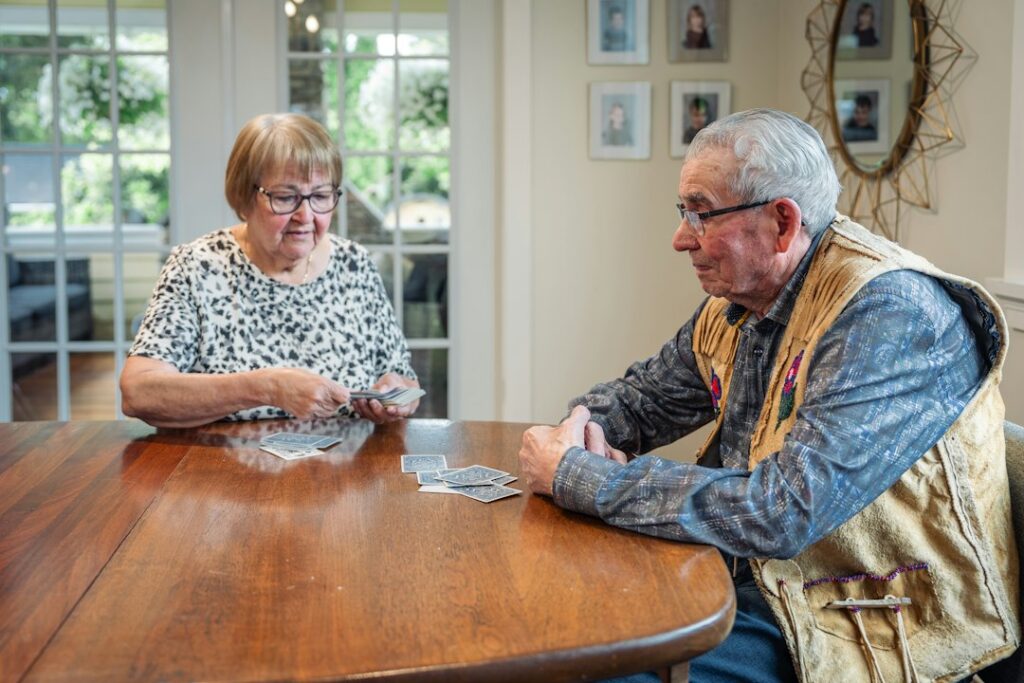
Living independently can become difficult gradually. A loved one may continue managing familiar routines while quietly struggling with bathing, meals, medications, mobility, or household safety. For families in Shillington, PA, recognizing these changes early can create more time to discuss options calmly rather than making decisions during a crisis.
Assisted living is generally intended for older adults who need help with daily activities but do not require continuous skilled nursing care. The decision should be based on patterns of need, safety, health, and personal preferences—not on age alone.
What are the clearest warning signs?
The strongest warning signs are repeated problems with everyday tasks, increasing safety risks, and changes that family members can no longer manage reliably from a distance.
One isolated mistake may not mean a move is necessary. Several changes occurring together deserve closer attention, especially if they are becoming more frequent.
Common signs include:
- Unwashed clothing, poor hygiene, or wearing clothing that is not suitable for the weather
- Missed medications, duplicate doses, or confusion about prescriptions
- Spoiled food, empty cupboards, or reliance on snacks instead of regular meals
- Unpaid bills, unopened mail, or unusual financial decisions
- Frequent falls, near-falls, bruises, or difficulty getting out of a chair
- Trouble using the stove, leaving water running, or forgetting to lock doors
- Missed appointments or difficulty arranging transportation
- Increased isolation, anxiety, irritability, or loss of interest in familiar activities
These changes do not automatically mean assisted living is the only answer. They indicate that the current support arrangement may need to be reassessed.
Is difficulty with bathing, dressing, or eating a sign?
Yes. Trouble with basic personal care is one of the most practical indicators that a person may need daily assistance.
Activities such as bathing, dressing, toileting, grooming, eating, and walking are often called activities of daily living. A person may still be mentally sharp yet need help with one or more of these tasks because of arthritis, weakness, balance problems, vision changes, or recovery from an illness.
Pay attention to explanations such as:
- “I only shower when someone is here.”
- “Buttons are too hard to manage.”
- “I’m not hungry enough to cook.”
- “I slipped, but it was nothing.”
- “I stay in this chair because getting up is difficult.”
A person may avoid admitting difficulty because independence is closely tied to identity. Look for changes in routine, not just direct statements. A normally well-groomed adult who begins avoiding showers or wearing the same clothing for several days may be communicating a need for support without saying so directly.
What household changes should families watch for?
The home often reveals problems before a loved one does. During visits, look for changes that affect safety, nutrition, cleanliness, or the ability to move through the home.
A kitchen may show signs of difficulty if there are expired foods, repeated takeout containers, burned cookware, or appliances that appear unsafe. In the bathroom, missing grab bars, loose rugs, poor lighting, and difficulty stepping into a tub can increase fall risk.
Other concerns may include:
- Clutter or narrow walkways that make movement difficult
- Laundry piling up because carrying baskets has become challenging
- Unusual odors, spoiled food, or accumulating trash
- Unopened packages or mail
- Evidence of falls, such as furniture used for support
- Problems managing heat, air conditioning, or household repairs
Seasonal conditions can make these issues more serious. In and around Shillington, winter ice, snow, and cold temperatures may make errands, outdoor walking, and transportation harder for someone with balance or mobility problems. Summer heat can also create risks for older adults who have difficulty staying hydrated or regulating indoor temperatures.
When do memory problems suggest a need for more supervision?
Occasional forgetfulness is common, but repeated confusion that affects safety or judgment should be evaluated.

Warning signs may include getting lost in familiar areas, forgetting how to use common appliances, taking medication incorrectly, leaving the home unexpectedly, or becoming unable to manage money. Personality changes, suspiciousness, poor judgment, and confusion about time or place may also signal a medical issue.
Memory loss should not be assumed to be normal aging. Sudden confusion can be caused by infection, medication effects, dehydration, a stroke, or another urgent condition. A rapid change in thinking requires prompt medical attention, particularly if it occurs with weakness, trouble speaking, severe headache, chest pain, or difficulty breathing.
Assisted living may provide reminders, supervision, meals, and help with personal care, but it is not the same as a hospital or a nursing facility. The level of care needed should be reviewed carefully.
Are falls enough to consider assisted living?
A fall does not automatically mean a person must move, but repeated falls or a fall followed by declining confidence deserves serious attention.
Some older adults become afraid of falling and begin limiting activity. They may stop walking outside, avoid bathing, remain seated for long periods, or depend on furniture to move around. This can lead to weakness and greater isolation.
Families should look beyond the fall itself. Consider whether the person can safely:
- Rise from a bed or chair
- Walk to the bathroom at night
- Prepare food without losing balance
- Use stairs or enter and exit the home
- Respond appropriately after a fall
A sudden decline in walking ability, new dizziness, or repeated falls should be discussed with a medical provider. Sometimes the cause is treatable, such as a medication problem, vision issue, infection, or blood pressure change.
What if family members are providing more and more help?
Family support can work well for a period of time, but it may become unreliable when care depends on one person making frequent visits, managing medications, preparing meals, providing transportation, and responding to emergencies.
Warning signs of caregiver strain include missed work, sleep disruption, resentment, arguments among relatives, or uncertainty about whether the loved one is safe between visits. A plan that works only because one family member is exhausted may not be sustainable.
Track the actual amount of help needed for two or three weeks. Record assistance with bathing, meals, medications, transportation, nighttime needs, and household tasks. This gives the family a clearer picture than relying on general impressions.
How should a family begin the conversation?
Start with specific observations rather than accusations. “I noticed three missed meals in the refrigerator this week” is more productive than “You can’t live alone anymore.”
Ask what feels difficult, what kind of help would be acceptable, and which routines matter most to the person. Include the loved one in discussions about privacy, meals, pets, visitors, transportation, personal belongings, and daily schedules.
It can also help to consider alternatives or intermediate steps, such as home modifications, family schedules, meal support, medication reminders, transportation assistance, or adult day services. If these measures no longer provide dependable safety, assisted living may deserve further consideration.
In Pennsylvania, personal care homes and assisted living residences are licensed categories with different requirements and service levels. Families should compare the setting’s licensing, care capabilities, staffing, medication policies, emergency procedures, and additional charges with the person’s actual needs.
When is immediate action necessary?
Some situations should not wait for a long-term housing discussion. Seek urgent help if a loved one has a serious injury, cannot obtain food or water, is repeatedly wandering, has an unsafe medication error, experiences sudden confusion, or is unable to remain safe alone.
For less urgent concerns, early planning usually provides more choices. A calm review of daily needs can help the family determine whether the issue is temporary, manageable with added support, or part of a larger transition in care.
