
What does assisted living help with?
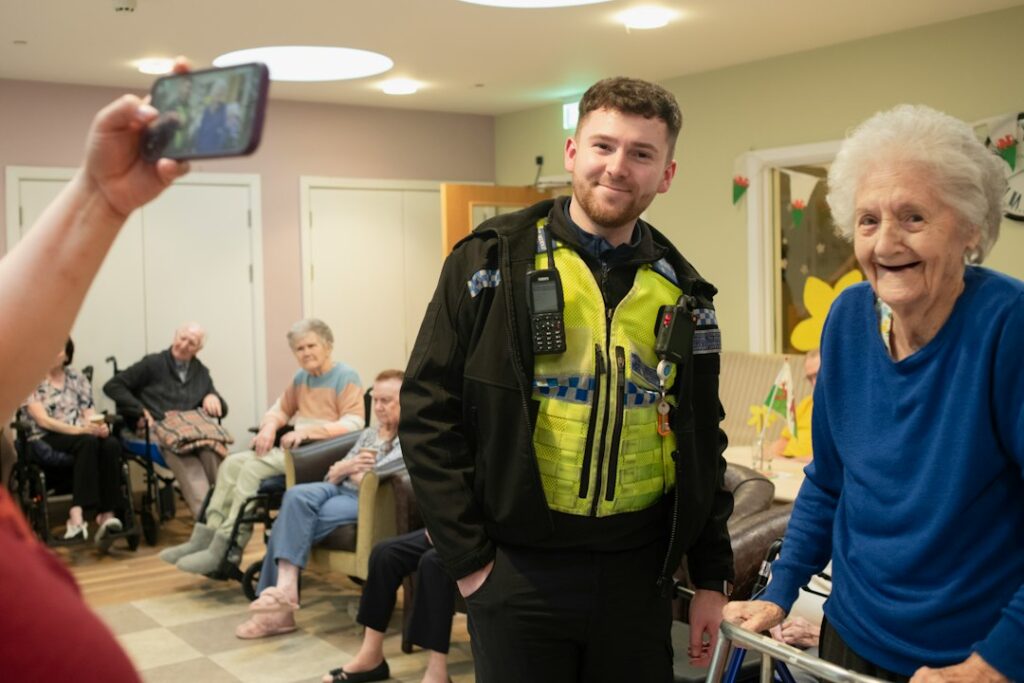
Assisted living is generally appropriate when an older adult can no longer manage certain daily tasks safely or consistently but does not require round-the-clock skilled nursing care. The goal is to provide support with personal routines, meals, medications, mobility, and household needs while preserving as much independence as possible.
Common areas of assistance include:
- Bathing, dressing, grooming, and using the restroom
- Moving safely between a bed, chair, and bathroom
- Taking medications on the correct schedule
- Preparing meals and maintaining regular nutrition
- Housekeeping, laundry, and other routine chores
- Transportation to appointments or community activities
- Social connection and structured daily activities
The need for assisted living is usually determined by a pattern of changes rather than one isolated incident. A single missed bill or minor fall may call for attention, but repeated problems may signal that the current living arrangement is no longer reliable.
What are the clearest signs that someone may need more support?
The most useful question is whether daily life has become unsafe, unmanageable, or dependent on urgent family help. Warning signs often appear gradually.
Physical changes may include frequent falls, difficulty standing from a chair, trouble using stairs, unexplained bruises, or exhaustion after ordinary tasks. Some older adults begin avoiding bathing, cooking, or leaving the house because those activities have become difficult.
Changes in personal care can be especially revealing. Wearing the same clothes for several days, neglecting oral hygiene, losing weight, or appearing consistently unwashed may indicate that routine tasks are taking more effort than the person can manage.
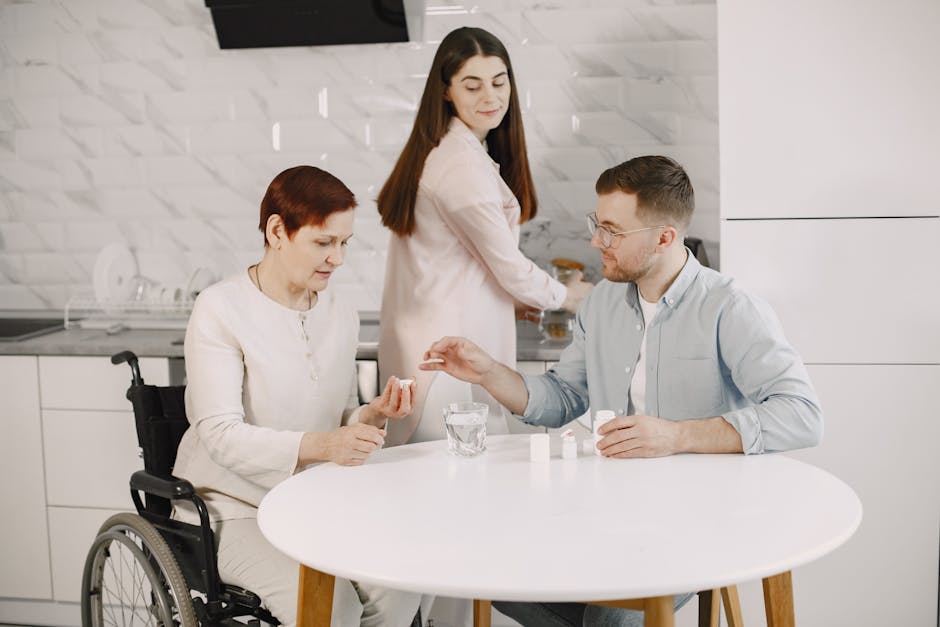
Medication problems deserve prompt attention. Missed doses, double doses, confused pill bottles, or repeated prescription refill issues can create serious health risks. A medication organizer may help in some situations, but it may not be enough when memory problems are progressing.
Household conditions may also change. Spoiled food, overflowing laundry, unpaid bills, cluttered walkways, or neglected pets can show that cooking, cleaning, shopping, or organization has become overwhelming.
How do memory problems affect the decision?
Memory loss alone does not automatically mean assisted living is necessary. The more important issue is whether memory changes interfere with safety and daily functioning.
Concerning examples include:
- Getting lost in familiar areas
- Leaving a stove, faucet, or space heater on
- Repeating the same questions throughout the day
- Missing medical appointments
- Forgetting to eat or drink
- Falling for scams or making unusually risky financial decisions
- Becoming confused about time, location, or familiar people
- Wandering outside or being unable to return home safely
Some memory changes may be caused by medication side effects, depression, infection, dehydration, hearing loss, or another treatable condition. A medical evaluation should be considered before assuming that a move is the only answer.
If confusion creates immediate danger, such as wandering, unsafe driving, or repeated medication errors, waiting for a crisis can make the transition harder. Early planning allows the older adult to participate in decisions while preferences and abilities are clearer.
When is living at home still realistic?
Aging at home may remain workable when the person is safe, willing to accept assistance, and able to receive dependable help. Family visits, in-home support, meal services, transportation, home modifications, and medication supervision may address some needs.
The arrangement becomes less dependable when it relies on one family member who is exhausted, lives far away, works full time, or must respond to emergencies several times a week. A care plan should be judged by what happens on ordinary days, not only by what family members can manage during a short-term crisis.
Consider asking:
- Who helps if there is a fall at night?
- Who notices if medications are missed?
- Can the person get food during bad weather?
- Is there a safe way to bathe and use the bathroom?
- What happens if the primary caregiver becomes ill?
- Can help be provided consistently on weekends and holidays?
In Shillington, seasonal conditions can make these questions more practical. Snow, ice, cold temperatures, and shorter winter daylight may increase fall risks, limit driving, and make errands more difficult for someone with weak balance or limited mobility.
How is assisted living different from nursing care?
Assisted living is designed for people who need regular support with daily activities but still have a level of independence. Nursing facilities generally serve people with more complex medical needs, ongoing skilled nursing requirements, or substantial difficulty with most basic activities.
The distinction is not based only on age or diagnosis. A person with diabetes, arthritis, or early memory loss may be appropriate for assisted living if those conditions are stable and daily support is sufficient. Another person with the same diagnosis may need a higher level of care if there are frequent medical complications or extensive mobility limitations.
Pennsylvania uses separate licensing categories for personal care homes and assisted living residences. These settings may differ in the level of independence, care planning, and supplemental health services they are equipped to provide. Asking about the residence’s license and care limits is an essential part of evaluating whether it matches the person’s needs.
What should families look at before making a decision?
The best decision is based on observed needs, not pressure from one difficult day. Keep a written record for two or three weeks if possible. Note falls, missed medications, changes in eating, nighttime confusion, assistance with bathing, and the amount of family supervision required.
A practical assessment should cover:
- Bathing, dressing, toileting, eating, and walking
- Medication management
- Memory and judgment
- Sleep patterns and nighttime safety
- Ability to respond to emergencies
- Mood, isolation, and changes in personality
- Caregiver availability and stress
- Monthly income, savings, insurance, and other payment considerations
Visit potential residences at different times of day if a move is being considered. Observe whether residents appear engaged, whether common areas are accessible, and whether staff can clearly explain how care needs are assessed. Ask what happens if needs increase, what services cost extra, and how emergencies are handled.
Do not assume that a residence can provide every type of care. Some conditions, behavioral symptoms, or medical needs may require a nursing setting or specialized memory support.
How can an older adult be included in the conversation?
Older adults are more likely to participate constructively when the discussion focuses on safety, comfort, and control rather than loss of independence. Instead of saying, “You cannot live alone anymore,” it may be more productive to discuss the specific problem: missed meals, unsafe stairs, nighttime falls, or the burden placed on an exhausted caregiver.
Begin with the person’s priorities. Some may care most about privacy, familiar routines, pets, religious practices, outdoor space, or staying near family. Others may be more concerned about transportation, meals, or having help available after a fall.
A move does not have to be treated as an all-or-nothing decision. Families may first explore home safety changes, short-term respite, additional daytime support, or a trial stay when available. However, if serious risks continue despite added help, assisted living may offer a more dependable daily structure than repeated emergency arrangements.
What if there is an immediate safety concern?
A sudden fall with injury, severe confusion, chest pain, breathing difficulty, signs of stroke, or inability to stay hydrated requires urgent medical attention. Serious medication errors, suspected abuse, unsafe wandering, or a home without heat during winter also require prompt action.
For non-emergency planning, a physician, nurse, social worker, or aging-services professional may help assess functional needs and identify the appropriate level of care. The purpose is not to force a move. It is to clarify what support is needed now, what may be needed later, and which living arrangement can provide it safely.
