
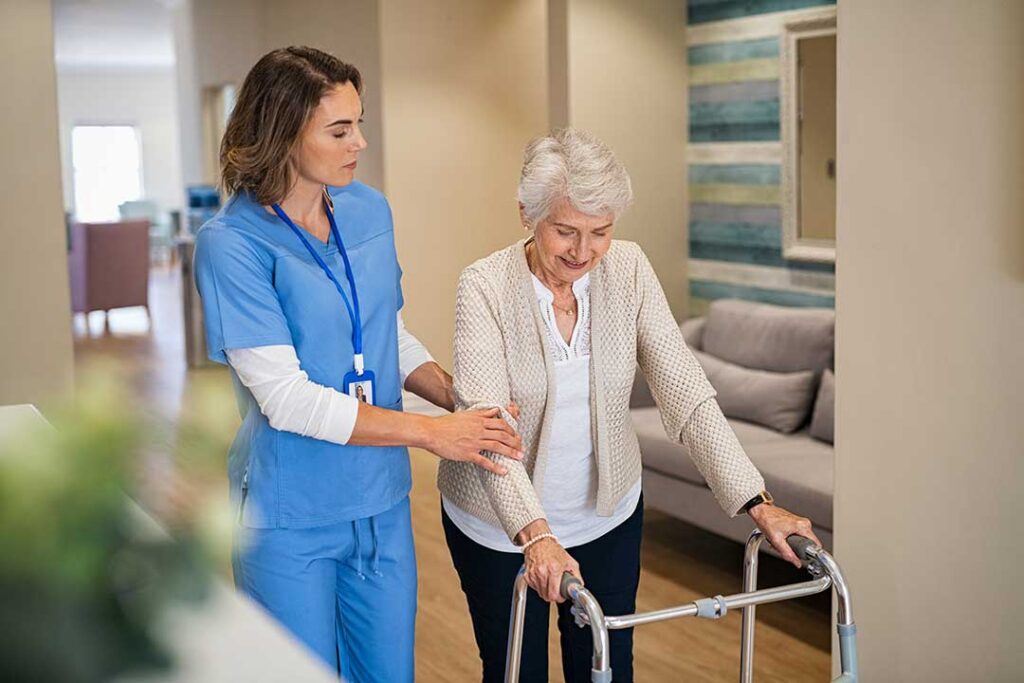
Assisted living communities are increasingly recognized for their role in supporting seniors with independence, security, and enhanced quality of life. In Shillington, Pennsylvania—a vibrant borough known for its neighborly charm and strong sense of community—the demand for coordinated medical care in assisted living has never been more vital. Understanding how medical care coordination works can help families make informed decisions about the best setting for their loved ones.
What Is Medical Care Coordination in Assisted Living?
Medical care coordination in assisted living refers to the organized approach of managing and communicating healthcare services for residents. This includes everything from medication management to routine medical visits and emergency care. The ultimate goal is to ensure each resident receives timely, appropriate, and personalized healthcare.
While assisted living facilities in Shillington are not hospitals or nursing homes, they do provide crucial support. Residents often face complex health issues and benefit greatly when caregivers, nurses, physicians, and specialists work seamlessly together. This collaborative effort significantly reduces hospitalizations and improves overall health outcomes.
Why Is Care Coordination Important?
Seniors frequently have multiple chronic conditions that require medication, therapies, and specialist visits. Without structured coordination, communication gaps can result in:
- Missed medications or incorrect dosages
- Confusion about treatment plans
- Unnecessary delays in care
- Increased risk of hospital readmissions
For families in Shillington, knowing that their loved one's care team communicates and shares updates is a key source of reassurance and peace of mind.
Core Components of Medical Care Coordination
To achieve optimal healthcare in an assisted living environment, care coordination typically involves:
*Comprehensive Assessment*
Upon admission, staff conduct an in-depth health assessment. In Shillington's assisted living communities, these assessments focus on the resident's current health status, medical history, and special needs. This personalized approach ensures care plans are tailored to each individual.
*Medication Management*
Accurate medication administration is one of the most important aspects of coordinated care. Staff closely monitor prescriptions, dosages, changes, and side effects. This vigilance is particularly beneficial in a close-knit town like Shillington, where residents may use local pharmacies—ensuring strong communication channels between facilities and healthcare providers.
*Health Monitoring*
Ongoing monitoring—whether for chronic conditions like diabetes, heart disease, or simply tracking vital signs—allows caregivers to detect changes early. In collaboration with local healthcare providers in Berks County, Shillington assisted living facilities are well-equipped to respond promptly to any health developments.
*Care Plan Updates*
Regularly scheduled care plan meetings ensure all stakeholders—including residents, families, nurses, and local physicians—are on the same page. This open dialogue helps align care goals and quickly address any concerns.
*Transitions of Care*
When a resident needs to visit a hospital or specialist, coordinated hand-offs are crucial. Assisted living staff in Shillington facilitate this process by sharing medical records, transport information, and updates with external providers, ensuring seamless transitions and continuity of care.
Local Life in Shillington and Its Impact on Care Coordination
The lifestyle in Shillington emphasizes community, family, and trust. Assisted living communities reflect these same values, providing personalized attention and building relationships with local healthcare entities. Shillington residents benefit from:
- Easy access to reputable medical centers in Berks County
- Connections to local pharmacies familiar with residents' medical histories
- Availability of home health agencies and primary care providers for seamless collaboration
Residents and families also appreciate the slower pace and close connections found in Shillington. This fosters open communication and makes it easier for care teams to include family members in regular updates and care decisions.
How Families Can Take Part in Coordinated Care
Family involvement is a cornerstone of effective care coordination. Loved ones can:
- Attend care plan meetings—many Shillington communities welcome and encourage family input
- Maintain up-to-date records—sharing any changes in prescriptions or health events with staff
- Communicate preferences and concerns so care is truly person-centered

Regular engagement with the assisted living team helps bridge any communication gaps and provides comprehensive support for residents.
Questions to Ask Assisted Living Communities in Shillington
If you are considering assisted living for a loved one, asking the right questions about care coordination is essential. Some helpful questions include:
- How do you communicate changes in health or medication to families?
- What is your process for coordinating care with local physicians and hospitals?
- How do you handle emergencies or hospital transitions?
- How regularly are care plans updated? How are families involved?
- What relationships does your community have with local healthcare providers and pharmacies?
These questions can help assess whether a potential community values and excels in coordinated care.
The Benefits of Strong Care Coordination
When medical care coordination is done well in Shillington assisted living communities, the benefits are significant:
- Improved resident health and satisfaction
- Fewer medication errors and medical complications
- Reduced hospital visits and readmissions
- Enhanced communication among care teams, families, and providers
- More independent and fulfilling daily living for seniors
Choosing a community with robust medical care coordination supports not only seniors’ health but also their ability to thrive in the welcoming environment that Shillington, PA, is known for.
Final Thoughts
For Shillington families seeking the best for their loved ones, understanding and prioritizing medical care coordination in assisted living is crucial. The best communities foster partnerships among residents, families, and local healthcare providers, ensuring people receive the customized, responsive care they need—right in the heart of Shillington’s supportive and friendly community.
